How Exclusive Galápagos Access Transforms the Visitor Experience
The Galápagos Islands have long held a reputation as one of the world's most remarkable natural destinations. For decades, travelers have come to this remote archipelago to witness wildlife that exists nowhere else on Earth. But as visitor numbers have grown, so has the pressure on these fragile ecosystems. The result is a system of carefully managed tourism that balances access with conservation. For those who want to move beyond the standard cruise itinerary, understanding what exclusive Galápagos access really means can make the difference between a good trip and a transformative one.
The Galápagos National Park strictly regulates where and when boats can anchor, which trails visitors can walk, and how many people can be on any given site at once. These rules are not arbitrary. They are designed to protect the very species that make the islands famous. But within these regulations, there is room for variation. The size of the vessel, the experience of the crew, and the relationships a tour operator holds with local authorities all shape the kind of access a visitor ultimately receives. A smaller ship, for example, can dock at sites that larger vessels cannot reach. It can also move more quickly between locations, adjusting the itinerary to weather conditions or wildlife activity. This is where the concept of exclusive Galápagos access begins to take on real meaning.
What Sets a Small-Ship Experience Apart
A yacht carrying just sixteen passengers operates differently from a cruise liner with a hundred or more guests. The permits issued by the Galápagos National Park are often more flexible for smaller vessels, allowing them to visit certain sites during quieter hours or to stay longer when wildlife is particularly active. This translates directly into a more intimate encounter with the environment. When you are one of a handful of people on a beach where sea lions are resting, or floating in a cove where marine iguanas hunt for algae, the experience feels personal. It is not a spectacle observed from a crowded viewing platform. It is a moment shared with the natural world on its own terms.
The Natural Paradise yacht exemplifies this approach. With a limited number of passengers, the onboard team of expert naturalist guides can tailor each outing to the interests of the group. A birder might want extra time searching for the Galápagos flycatcher in the Scalesia forests of San Cristóbal Island. A photographer might prefer the low-angle light on Bartolomé Island, where the volcanic landscapes create dramatic shadows. A family with young children might need a slower pace and shorter hikes. These are not requests that a large cruise can accommodate. But on a small vessel, they become part of the daily rhythm.
The Role of Expert Naturalist Guides
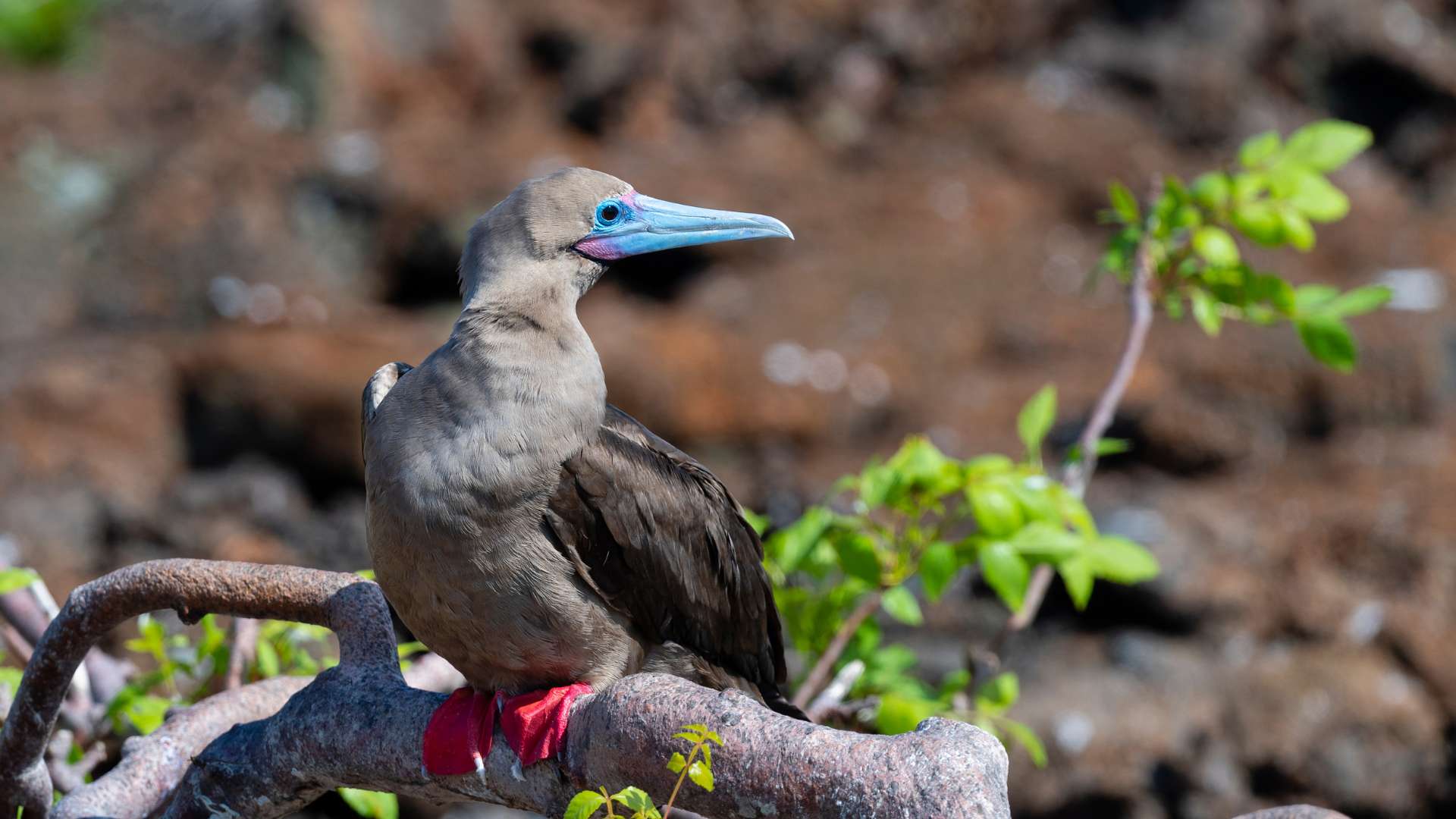
What separates a guided visit from a self-guided hike is the depth of interpretation. The Galápagos National Park requires all visitors to be accompanied by a licensed naturalist guide, but the quality of guiding varies considerably. Guides who have spent years working in the archipelago bring a level of knowledge that goes beyond identifying species. They understand the subtle interactions between animals and their habitats. They can point out the difference between a lava lizard and a marine iguana basking on the same rock, or explain why the blue-footed boobies on Rabida Island perform their courtship dance at a particular time of year.

Exclusive Galápagos access often means working with guides who have deep local knowledge and the flexibility to adjust the itinerary on the fly. If a pod of dolphins is spotted near Isabela Island, the captain can redirect the vessel to give passengers a closer look. If the current is right for snorkeling, the crew can pull the Zodiac to a reef where Galápagos penguins are known to feed. These decisions require both expertise and autonomy. On a small yacht, the guide and captain work together to make judgment calls that prioritize the experience without compromising safety or conservation rules.
Beyond the Standard Itinerary
Most visitors to the Galápagos follow a standard route that includes the most popular islands: Santa Cruz, Española, and Floreana. These are spectacular places, no doubt. But the archipelago contains more than a dozen major islands and scores of smaller islets, many of which receive far fewer visitors. Reaching these less-traveled sites requires a vessel that can navigate tight channels and anchor in shallow waters. It also requires permits that are not always easy to obtain.
For example, the Sierra Negra volcano on Isabela Island offers one of the most dramatic hikes in the Galápagos. The trail crosses a vast caldera that resembles a lunar landscape, with views stretching across the island to the ocean beyond. Yet only a handful of operators hold the permissions to land passengers at the nearby dock and coordinate with the local guides. Similarly, the eastern side of San Cristóbal Island, where frigatebirds and sea lions gather in large colonies, is less frequented than the western side. Getting there means spending more time at sea, which smaller vessels can do more comfortably than larger ones.
This is where exclusive Galápagos access becomes tangible. It is not about privilege in the sense of luxury. It is about the ability to reach places that remain relatively untouched because of logistical constraints. For travelers who value solitude and authenticity, this kind of access is worth seeking out.
Conservation Through Controlled Visitation
The Galápagos Islands are a UNESCO World Heritage site, a designation that comes with strict oversight. The Charles Darwin Research Station on Santa Cruz Island plays a central role in monitoring the health of native species, including the iconic giant tortoises. Research conducted there informs the park's management decisions, including which trails to open and close. Visitors who understand this context appreciate that their presence is a privilege, not a right.

Exclusive Galápagos access, when done responsibly, supports conservation by limiting the number of people on sensitive sites at any one time. Smaller groups cause less erosion on trails, produce less noise, and reduce the stress on wildlife. The revenue from high-value, low-impact tourism also funds the park's conservation programs. It is a model that works when both the operator and the visitor respect the rules.
Practical Considerations for the Traveler
Choosing a small-ship cruise requires some research. Not all small vessels are created equal. Look at the itinerary details. Does the ship visit sites like Bartolomé Island early in the morning, before the larger boats arrive? Does it offer kayaking or SCUBA diving as part of the package, with gear provided onboard? Does the crew include a naturalist who has worked with the Galápagos National Park for several seasons? These details matter more than the cabin size or the menu.
Another factor is the balance between guided excursions and free time. Some itineraries pack every day with activities, leaving little room for quiet observation. Others allow passengers to choose between a strenuous hike and a leisurely snorkel. The best trips offer variety. One day might involve a long walk across the lava fields of Rabida Island, watching for the Galápagos flycatcher and the red-billed tropicbird. The next might be spent snorkeling with sea lions and marine iguanas in a protected cove, with no schedule beyond lunchtime.
The Emotional Impact of Deep Access
There is a moment that many visitors describe when they talk about the Galápagos. It happens when you are floating face down in the water, looking at a school of surgeonfish, and a sea lion glides past you without a second glance. Or when you are sitting on a rock on Bartolomé Island, watching the sun set over the Pacific, and you realize that no one else is around. That feeling of being part of a place rather than just passing through is rare in travel. It is also entirely dependent on the kind of access you have.
Exclusive Galápagos access is not about exclusivity in the social sense. It is about the quality of the encounter. It means arriving at a site when the light is right and the crowds are absent. It means having a guide who can answer your specific questions about the mating habits of the blue-footed booby or the evolutionary history of the Galápagos penguin. It means having the time to sit still and watch, without the pressure to move on to the next stop.
Final Thoughts on Planning Your Trip
The Galápagos Islands are not a destination you visit once and check off a list. They are a place that changes you, if you let them. But that transformation requires the right conditions. A rushed itinerary on a large ship can leave you with photographs and little else. A carefully planned trip on a vessel like the Natural Paradise yacht, with its focus on small groups and expert guiding, can leave you with a deeper understanding of the natural world and your place in it.
When you research your options, ask about the details. How many passengers will be on your boat? What permits does the operator hold for less-visited sites? What is the guide-to-guest ratio? These are the factors that determine whether you will experience the Galápagos as a tourist or as a temporary resident of the Enchanted Islands. The difference is profound. And it starts with the kind of access you choose.